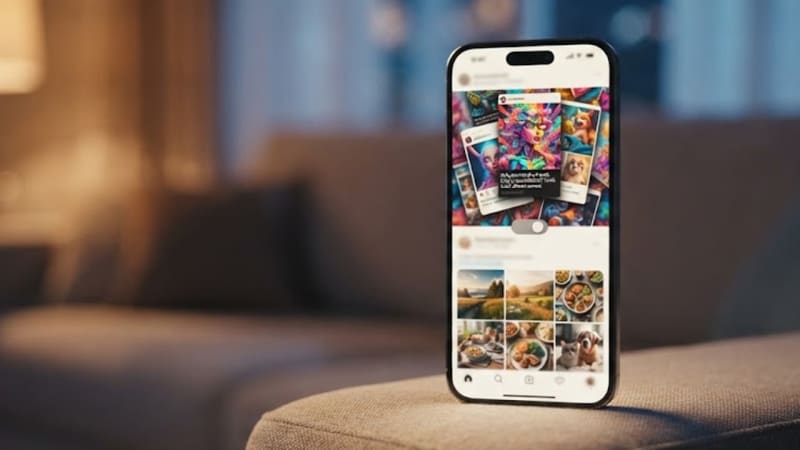
Is Orkut Coming Back? What Its Founder Plans
 Software
Is Orkut coming back? Its founder has reopened orkut.com and asked for support for a new network. What he said, what we know and what's still missing.
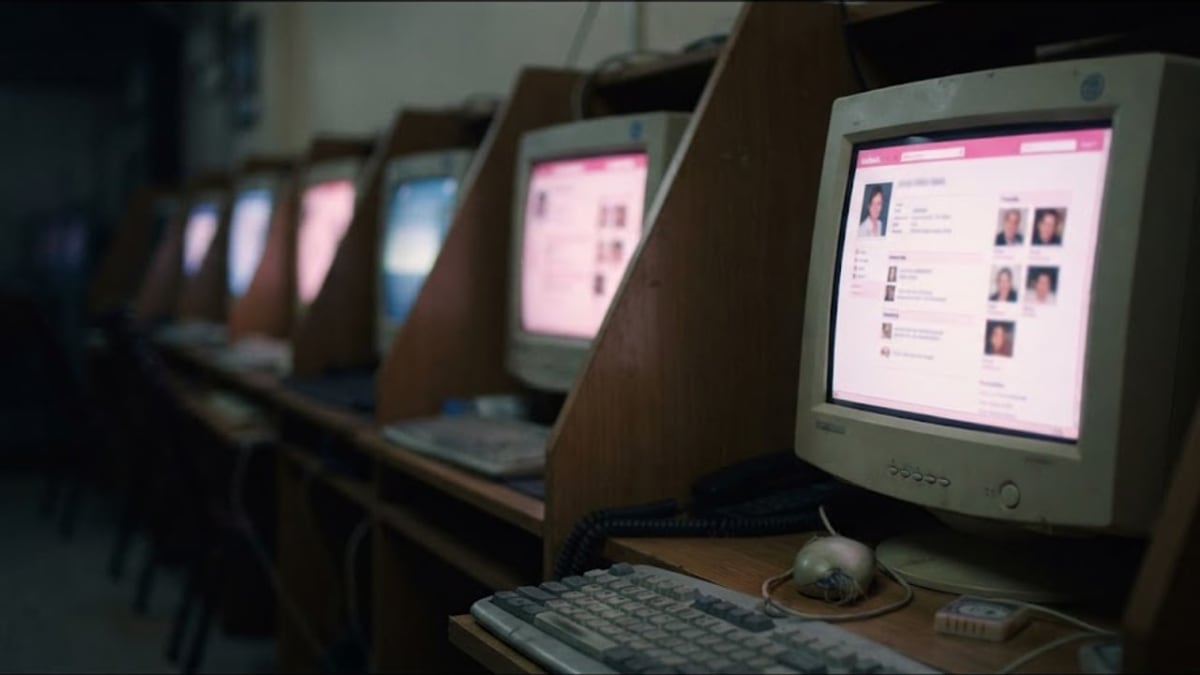
For a lot of people who grew up online in the 2000s, Orkut was the first social network that felt like home. Scraps on your profile, testimonials from friends, communities for every band, college and cricket team. Then Google shut it down in 2014, and it became a memory.
This month the memory came back. On October 8, 2026, Orkut Büyükkökten, the Google engineer who built Orkut and gave it his name, updated orkut.com and asked people to sign up in support of bringing it back. Within days, the question was everywhere: is Orkut coming back? Some of that interest is less about Orkut itself and more about wanting an alternative, after years of complaints about how Facebook's own algorithm decides what you see.
The honest answer is: maybe, but not yet, and not in the way many people hope. Here's what actually happened, what the founder is promising, and what you should and shouldn't expect.
Is Orkut coming back?
Not right now. What exists today is a campaign, not a product. Orkut.com shows a letter from its founder and a way to add your name as a supporter, but you can't create a profile, add friends, write scraps or join communities. There's no launch date and no feature list.
TechCrunch, which reported the news on October 9, noted that Büyükkökten "has, however, not clarified whether a new version of the platform is already in development." In other words, he's measuring interest before, or while, building something. That's a sensible thing to do. It just isn't the same as Orkut being back.
It's also worth knowing that this isn't the first time. In April 2022, orkut.com was reactivated with a letter from the founder saying something new was coming, and the site stayed that way for years. Earlier headlines promising a relaunch in 2025 didn't come true either. So the right mood is hopeful patience, not excitement.
What Orkut's founder actually said
Büyükkökten posted on X and urged people to visit Orkut.com, add their names in support and invite others to join, according to TechCrunch. His message is less about nostalgia and more about what he thinks went wrong with social media.
In a letter on Orkut.com, he criticised how algorithms and AI-generated content have changed social media over the past twenty years. "Artificial intelligence is extraordinary technology, but it's dissolving the one premise that made social networking special and worth building: that there was a person on the other side," he wrote. His answer: "we rebuild the internet we first loved. The one with authentic people, real connection, and genuine belonging."
There's an interesting twist here. In 2024, Büyükkökten told WIRED he was working on a social network that would "leverage AI and machine learning" to bring people together. That project never launched. Now his message puts people first and treats AI as part of the problem. It's a fair change of view, and a reminder that the plan is still taking shape. TechCrunch also said he didn't respond to its request for comment, so for now the letter is all we have.
Indian media outlets reported that more than 2.6 lakh people (over 260,000) had added their names within days, from well over a hundred countries. Those numbers come from the campaign and the press rather than an independent count, but they show the idea struck a nerve.
Why people miss Orkut
If you never used it, the excitement can look strange. Orkut was slow, cluttered and often full of spam by the end. But it did a few things that today's apps mostly don't:
- Communities came first. You joined groups around shared interests, and that's where conversations happened. Today's feeds are built around posts chosen by an algorithm.
- Friends were actual friends. Scraps and testimonials were written by people you knew, for you, on your page.
- There was no endless feed. You visited, caught up and left. Nobody was trying to keep you scrolling for an extra hour.
- People were real. There were fake profiles, but there were no AI-written posts or deepfakes pretending to be human.
That last point is the heart of the founder's pitch, and it's why the campaign is landing now rather than five years ago.
What happened to Orkut in the first place
Orkut launched on January 22, 2004, the same year as Facebook. Büyükkökten built it at Google as a side project, and it took off in two countries above all others. It never caught on in the United States, but it became hugely popular in Brazil and India. By the time it closed, according to Wikipedia's figures, more than half of its traffic came from Brazil and about 18% from India. TechCrunch puts its peak at about 300 million active users.
Then Facebook arrived in those markets with a cleaner design and faster growth. It overtook Orkut in India in 2010 and in Brazil in 2012. On June 30, 2014, Google announced that Orkut would close on September 30, 2014, saying its other services, such as YouTube, Blogger and Google+, had outgrown it.
Büyükkökten later launched a new app called Hello in 2016, built around shared interests, much like Orkut's communities. It has since shut down. That history matters: building a social network is one of the hardest things in tech, even for someone who has done it before.
Can you get your old Orkut account or photos back?
This is the question many people quietly hope the answer is yes to. Unfortunately, it isn't.
- Old accounts are gone. The new orkut.com gives no access to accounts from before 2014, and nothing suggests old profiles, scraps, testimonials or communities will return.
- The export window has closed. Google let users download their profiles and photos through Google Takeout, and profiles, scraps, testimonials and community posts could be exported until September 2016.
- Public communities were archived. Google kept a read-only archive of public community posts, but you can't edit them or use them as a profile.
If you did save your old photos back then, they're probably sitting in a folder as large JPGs or PNGs. A bulk PNG to WebP converter can shrink a whole folder of them without losing quality, and if you'd like a printable album, you can turn photos into a PDF in a few clicks. Both run in your browser, so your memories stay on your own device.
Can a "human" social network work in the AI era?
The founder's timing is smart. People are tired of feeds full of recycled posts, AI-generated images and accounts that may not be real. AI tools now write convincing text in seconds, and they can state false things with total confidence (here's why AI makes things up), so their output can't be trusted blindly. The idea of a network built around verified humans and real communities has obvious appeal.
The big platforms are moving in the opposite direction. AI is now part of the product: AI agents like Meta Muse act on your behalf inside Meta's apps, and AI shows up in more and more uses of AI beyond chatbots. Even the industry is debating how much control humans really have, which is why leaders now ask does AI have a kill switch. A network that deliberately keeps AI in the background would stand out.
But appeal isn't enough. Any new social network faces the same hard problems:
- The empty-room problem. A network is only useful when your friends are on it. Hundreds of thousands of signatures is a good start; WhatsApp, Instagram and Facebook have billions of users.
- Money. Ads paid for Orkut and pay for nearly every free network today. Ads reward attention, which is exactly the habit the founder wants to break. A different business model will have to be found.
- Keeping it human. Proving that accounts belong to real people, without collecting too much personal data, is a difficult technical and privacy problem.
- Trust in relaunches. Hello didn't last, and earlier comeback headlines didn't come true. People will want to see a working app before they move their social lives.
What this tells us about the internet in 2026
Whether or not Orkut returns, the reaction says something real. Many people feel the internet has become louder and less personal, and that the tools meant to connect us now compete for our attention. You can see the same mood in other places: tools that keep your data on your own device, like Google's new offline AI Edge Foresight note taker, and a growing interest in using AI with more care. It's a big part of why most people use AI wrong: we let tools decide for us instead of using them on purpose.
There's also a lesson about how fast online platforms come and go. Orkut was once one of the most visited websites in India and Brazil, and it disappeared in a decade. Developers saw a similar story this month when Cloudflare's Deno deal set an end date for a well-loved tool, and Windows users know it from when Windows 10 updates end. Nothing online is permanent, which is a good reason to keep your own copies of the things that matter to you.
Should you sign up on orkut.com?
If you liked Orkut, adding your name costs nothing and tells the founder there's interest. Just treat it like any sign-up form:
- Make sure you're on the real site, orkut.com, and not a look-alike page or an app claiming to be "Orkut 2026". News like this always attracts copycats.
- Don't download apps or click links that promise access to your old Orkut account. No such access exists.
- Share only the details the form actually needs.
Then wait for real news: a working app, a launch date, and a clear explanation of how it will make money and protect your privacy.
The bottom line
Is Orkut coming back? Its founder wants it to, and hundreds of thousands of people have said they'd like that too. But today there's no app, no launch date and no way to recover old accounts. What there is, is a clear message: a lot of people want social media to feel human again.
If a new Orkut does launch, it won't be the 2004 site with a fresh coat of paint. It will be a new network that has to win people over from apps they already use every day. That's a tall order. But after twenty years of feeds built for attention, it's a question worth asking out loud, and it's good to see someone asking it.
FAQs
Is Orkut coming back in 2026?
Not yet. In October 2026, Orkut's founder updated orkut.com and asked people to sign up in support of a new network, but there's no app, launch date or feature list, and he hasn't said whether it's already being built.
What happened to Orkut?
Google launched Orkut in January 2004. It became hugely popular in Brazil and India, but Facebook overtook it, and Google closed it on September 30, 2014.
Can I recover my old Orkut account or photos?
No. Old accounts aren't coming back, and the export window through Google Takeout closed in 2016. Only a read-only archive of public community posts was kept.
Is orkut.com safe to use?
The real orkut.com currently only shows a letter and a supporter sign-up. Be careful with look-alike sites and apps claiming to restore old accounts, because no such service exists.
Who created Orkut?
Orkut Büyükkökten, a Turkish software engineer at Google, built it as a side project and named it after himself. He later launched another network called Hello, which has since shut down.
Writer, Blogs Byte
Daniel Brooks writes plain-English guides on AI and everyday technology for Blogs Byte, focused on what actually works for ordinary users: clear steps, honest limits and no hype.